CUI (Corrosion Under Insulation)

CUI (Corrosion Under Insulation)

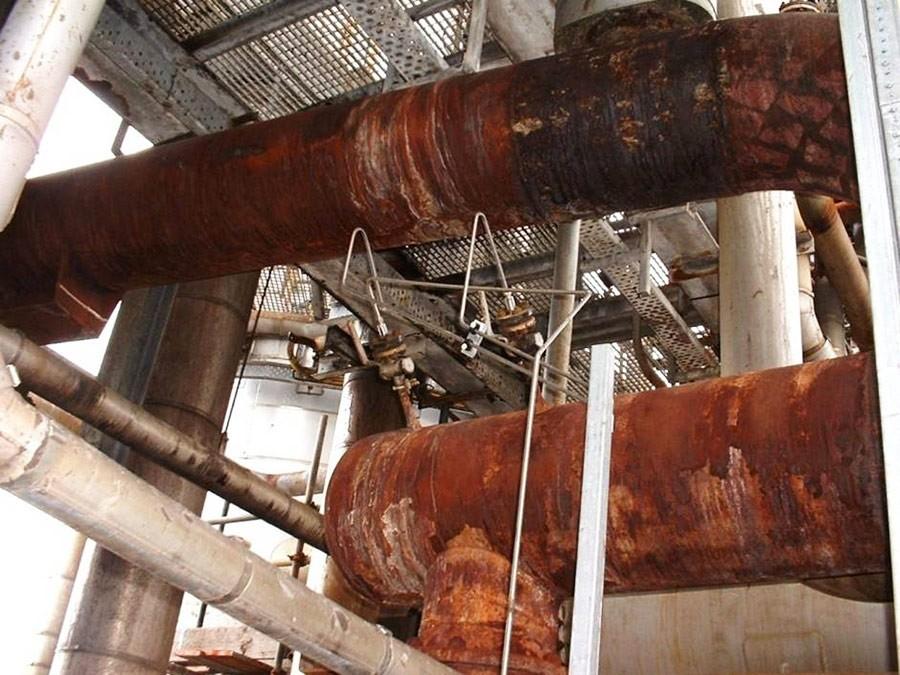
Corrosion Under Insulation (CUI) is one of the most critical challenges faced by industries operating in aggressive environments. It often remains undetected beneath insulation layers, leading to severe asset degradation, unexpected failures, and costly downtime.

At MPESB, we deliver advanced, standards-compliant solutions designed to detect, prevent, and mitigate CUI, ensuring long-term asset integrity and operational reliability.

Corrosion Under Insulation (CUI) is a hidden yet highly destructive form of corrosion that occurs when moisture penetrates insulation systems and becomes trapped against metal surfaces. Over time, this leads to localized corrosion, wall thinning, and potential failure of critical assets—often without visible external signs.

CUI is one of the leading causes of unexpected leaks, shutdowns, and safety incidents in industries such as oil & gas, petrochemicals, power generation, and marine infrastructure.

Thermal Spray Aluminium (TSA) Coating

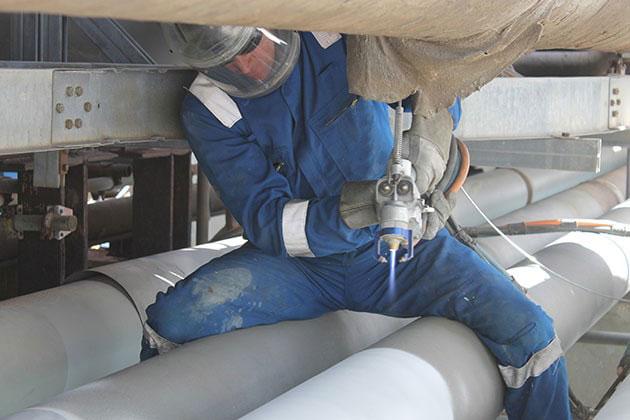
We specialize in TSA coating systems for superior CUI protection across pipelines, vessels, and storage tanks.

Key Benefits:

  • Exceptional corrosion resistance in harsh environments
  • Long service life with minimal maintenance
  • High temperature stability
  • Proven performance in offshore and onshore assets

Compliance:

  • NACE SP0198 / NACE No.12
  • NORSOK M-501
  • Major Oil & Gas Company Specifications

Our TSA application ensures long-term protection even in high-moisture and saline conditions, making it the most reliable solution for insulated systems.
Root Causes of CUI

CUI typically results from a combination of environmental and operational factors:

  • Water Ingress through damaged cladding, joints, or poor sealing
  • Thermal Cycling causing expansion and contraction, allowing moisture entry
  • Insulation Material Absorption retaining water against metal surfaces
  • Chlorides & Contaminants accelerating corrosion reactions
  • Poor Installation or Aging Systems leading to insulation breakdown

High-Risk Temperature Range

CUI is most aggressive within specific operating temperature bands:

  • -4°C to 175°C for carbon steel
  • 50°C to 175°C for stainless steel (chloride stress corrosion cracking risk)

These conditions promote moisture retention and rapid corrosion kinetics, making proactive protection critical.

Assets Most Susceptible to CUI

  • Insulated pipelines and process lines
  • Storage tanks and vessels
  • Heat exchangers and columns
  • Offshore structures and marine equipment
  • Valves, flanges, and complex geometries

Our CUI Mitigation Approach

At MPESB, we implement a multi-layered CUI protection strategy combining inspection, advanced coatings, and sealing systems:
1. Inspection & Risk Assessment

  • Visual inspection after insulation removal
  • Ultrasonic thickness (UT) measurement
  • Corrosion mapping and risk-based inspection (RBI)

2. Surface Preparation

  • Removal of corrosion products and contaminants
  • Abrasive blasting to achieve required cleanliness standards

3. Advanced Protective Systems

  • TSA (Thermal Spray Aluminium) for long-term corrosion resistance
  • High-performance coating systems resistant to temperature and moisture
  • Petrolatum and wrapping systems for sealing and barrier protection

4. Insulation System Optimization

  • Installation of water-resistant insulation materials
  • Proper cladding and sealing to prevent ingress
  • Design improvements to eliminate water traps

Detection & Monitoring Techniques

Early detection is critical to minimizing damage. We support advanced inspection methods such as:

  • Non-Destructive Testing (NDT) techniques
  • Pulsed Eddy Current (PEC) inspection
  • Infrared thermography for moisture detection
  • Guided wave ultrasonic testing for long pipelines

Impact of Uncontrolled CUI

Failure to address CUI can result in:

  • Sudden pipeline or vessel failure
  • Environmental hazards and product loss
  • Increased maintenance and repair costs
  • Regulatory non-compliance and safety risks
  • Unplanned shutdowns and production losses

Key Benefits of Our CUI Solutions

  • Long-term corrosion protection even in extreme environments
  • Reduced inspection and maintenance frequency
  • Improved safety and operational reliability
  • Compliance with international standards (NACE, NORSOK, ISO)
  • Optimized lifecycle cost of assets

Integrated Corrosion Management Strategy

Our CUI solutions are part of a holistic asset integrity program, integrated with:

  • TSA coatings for external protection
  • Pipe wrapping systems for additional sealing
  • Tank base sealing and internal lining solutions
  • VCI systems for enclosed corrosion protection

This ensures end-to-end protection across all corrosion-prone zones, delivering maximum durability and performance.